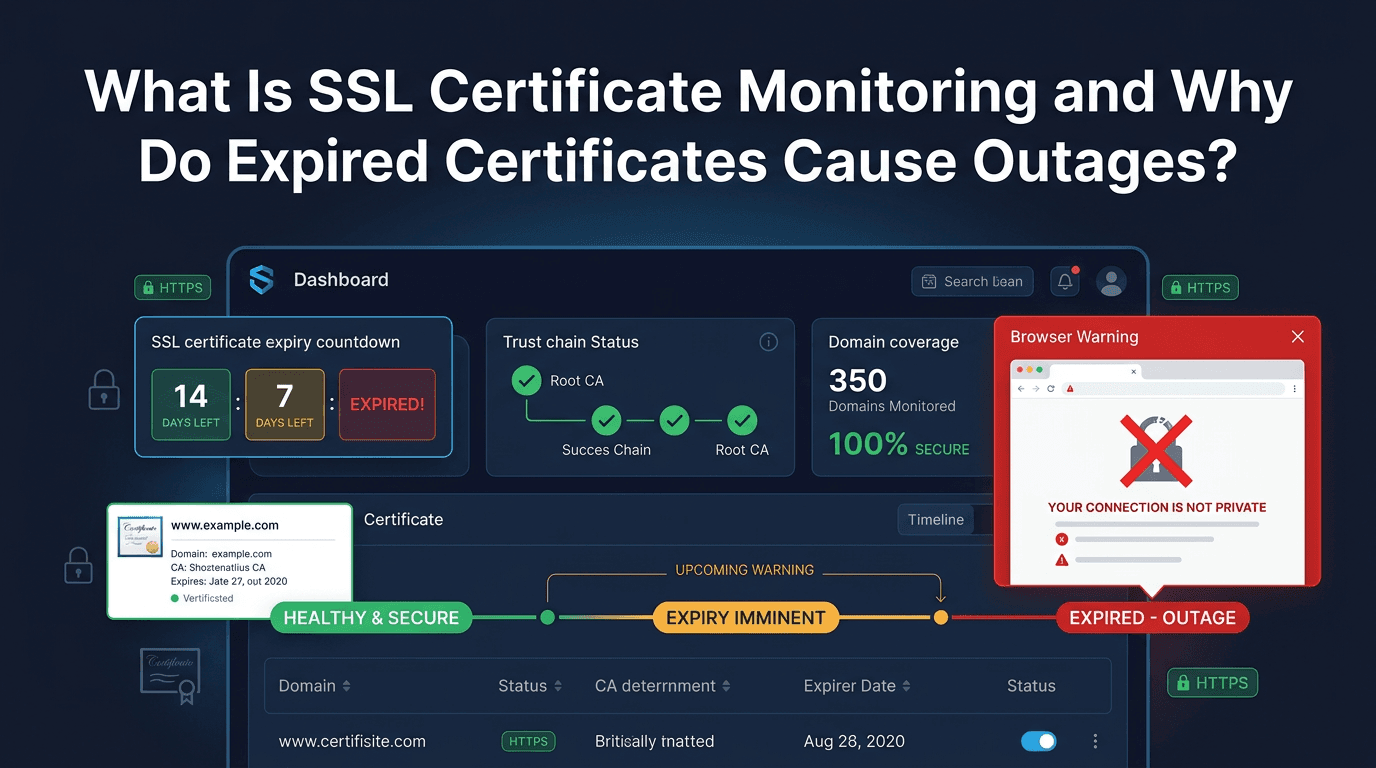
What Is SSL Certificate Monitoring and Why Do Expired Certificates Cause Outages?
Learn what SSL certificate monitoring is, how it works, and why expired certificates cause real outages for websites, APIs, ecommerce stores, and SEO-critical pages.
Customer Login
LoginUse the UpScanX blog archive to explore practical articles on website uptime monitoring, API reliability, SSL certificate tracking, domain monitoring, observability, incident response, and infrastructure best practices for modern operations teams.
Showing 21-40 of 50 monitoring articles on page 2 of 3.
What Is SSL Certificate Monitoring and Why Do Expired Certificates Cause Outages?
Learn what SSL certificate monitoring is, how it works, and why expired certificates cause real outages for websites, APIs, ecommerce stores, and SEO-critical pages.
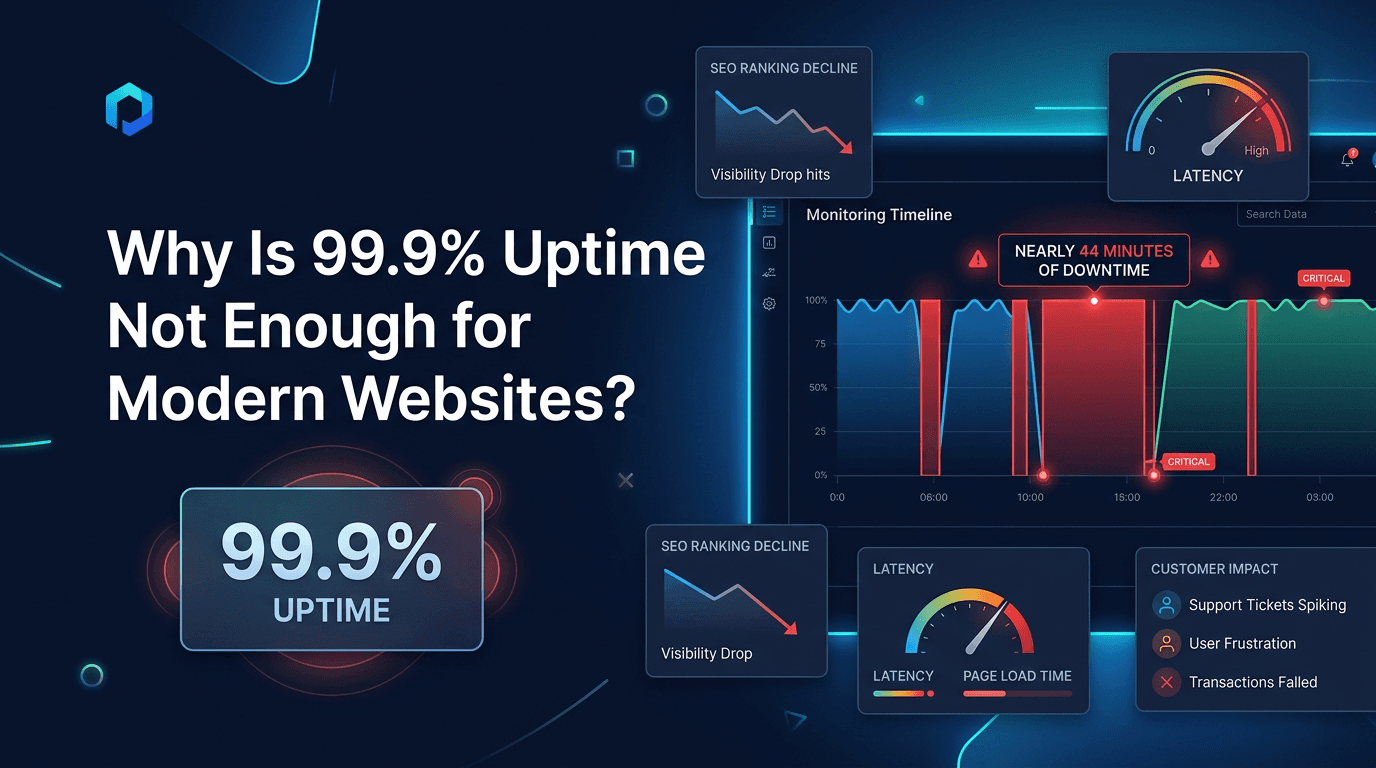
Why Is 99.9% Uptime Not Enough for Modern Websites?
Learn why 99.9% uptime is no longer enough for modern websites, how downtime affects revenue, SEO, and trust, and what reliability targets teams should aim for instead.
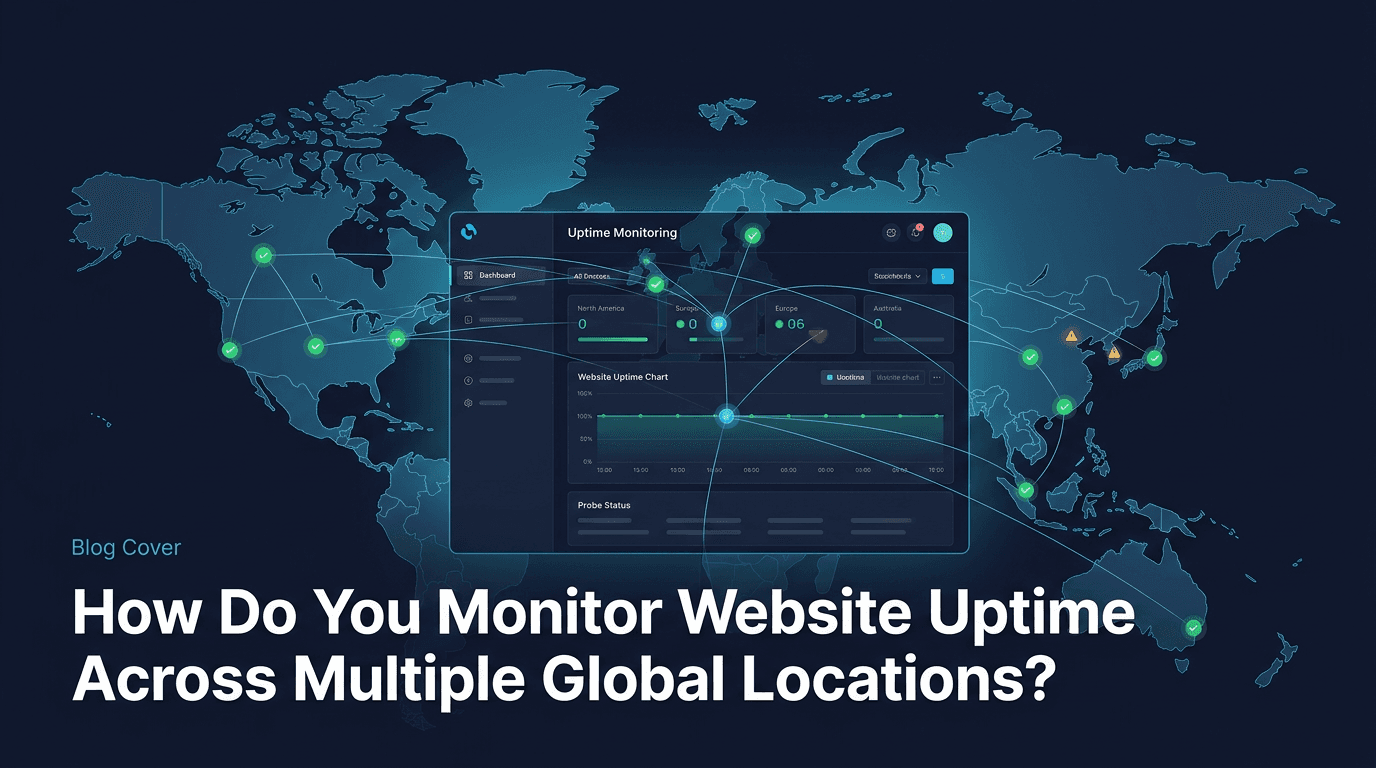
How Do You Monitor Website Uptime Across Multiple Global Locations?
Learn how to monitor website uptime across multiple global locations, why regional checks matter, and how to reduce false positives while protecting SEO and user experience.
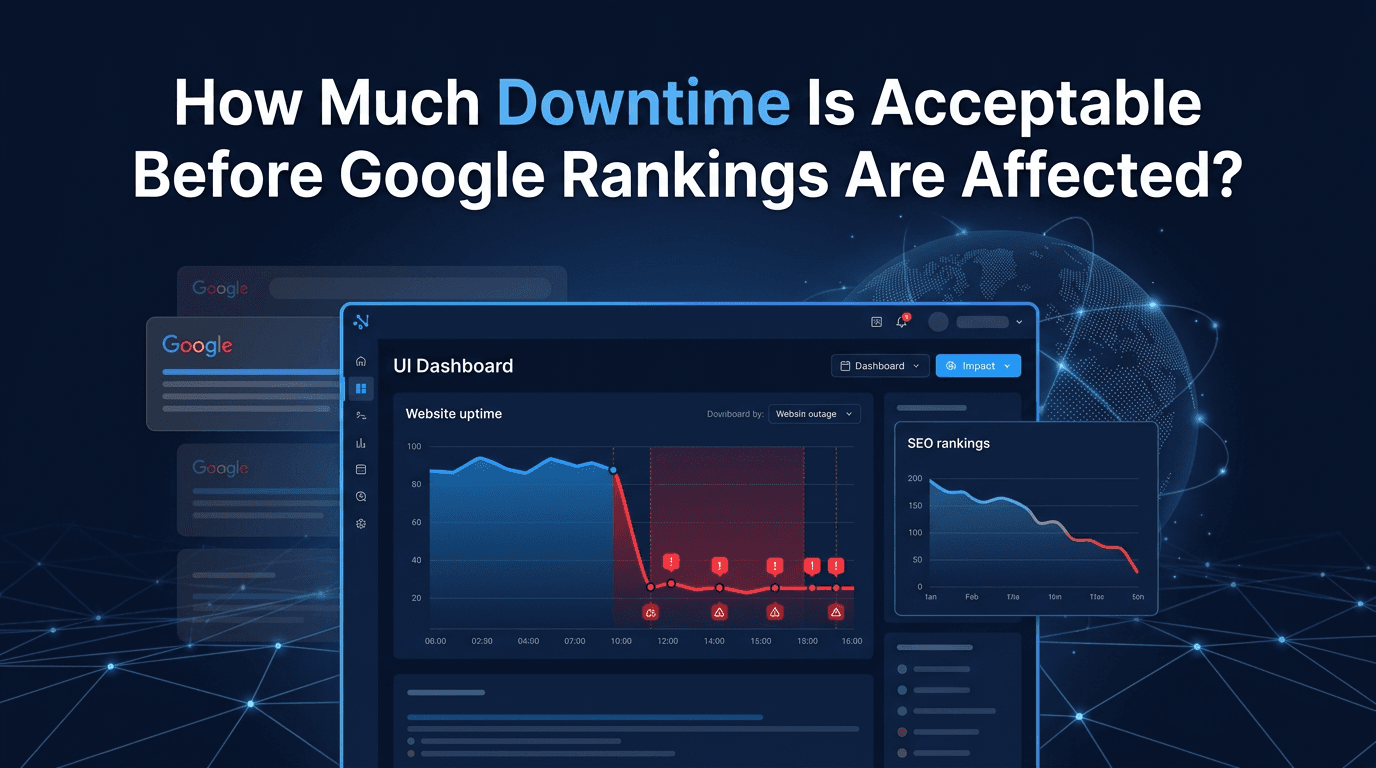
How Much Downtime Is Acceptable Before Google Rankings Are Affected?
Learn how much website downtime is acceptable before Google rankings are affected, how outages impact crawling and indexing, and what teams should do to reduce SEO risk.
What Is Website Uptime Monitoring and Why Does It Matter for SEO?
Learn what website uptime monitoring is, how it works, and why it matters for SEO, crawlability, user trust, and long-term organic growth.
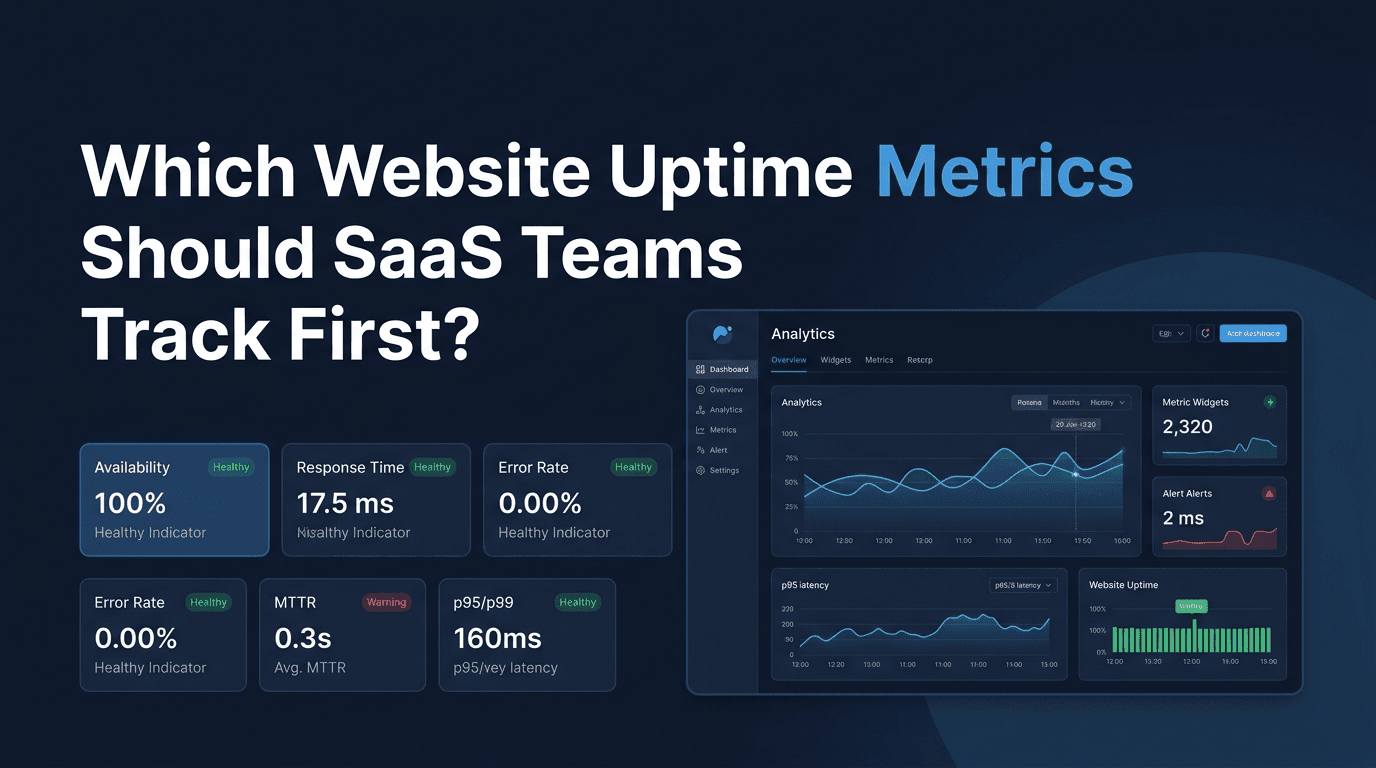
Which Website Uptime Metrics Should SaaS Teams Track First?
Learn which website uptime metrics SaaS teams should track first, including availability, latency, error rate, MTTR, and user-impact signals that improve reliability.
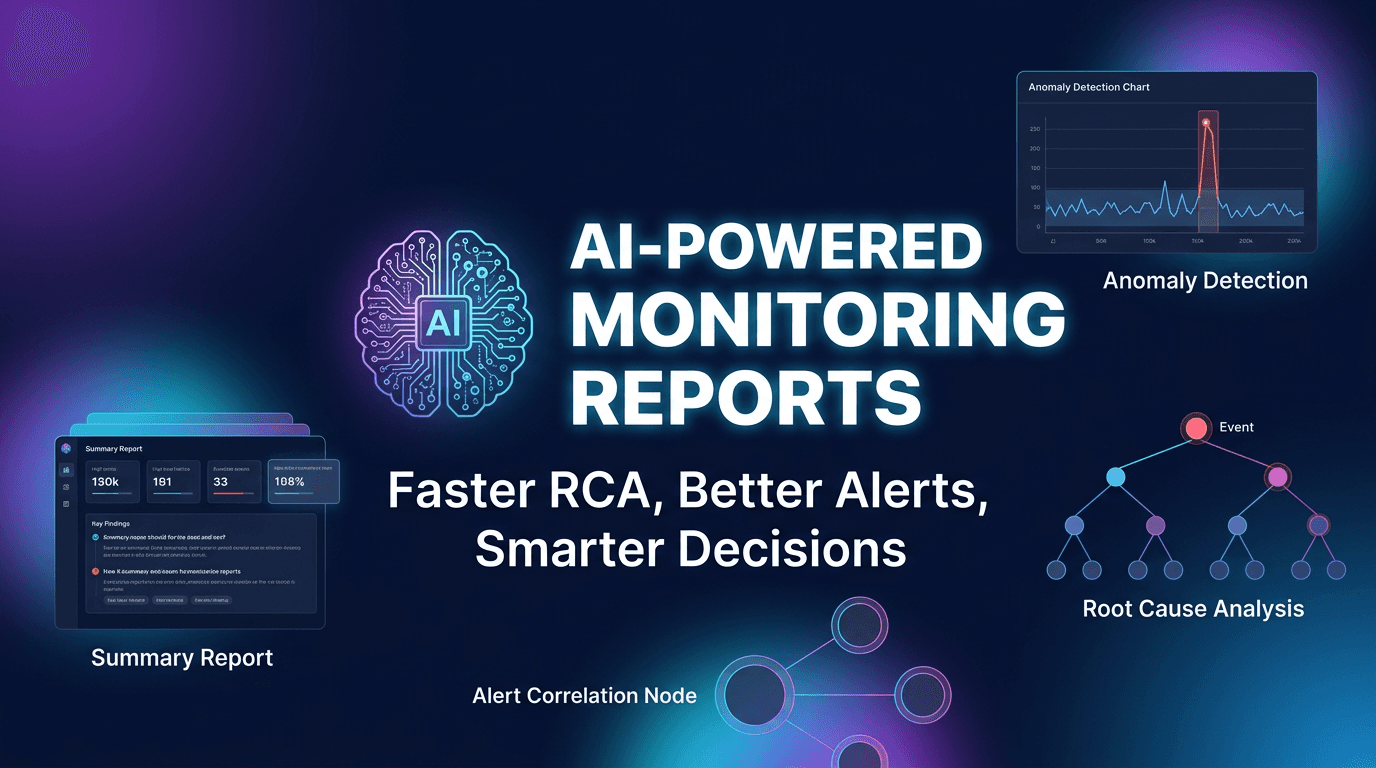
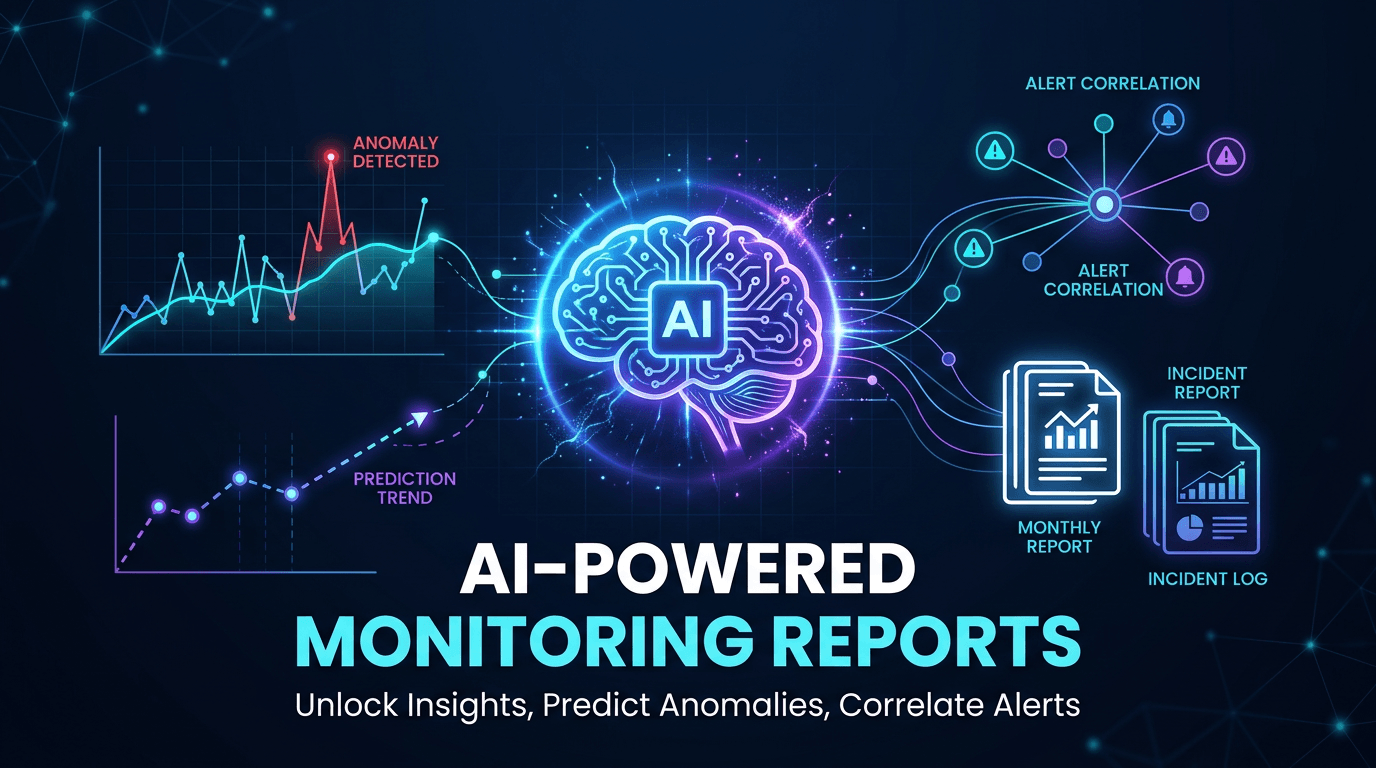
AI-Powered Monitoring Reports in 2026: Better Alerts, Faster RCA, and Smarter Decisions
Learn how AI-powered monitoring reports work in 2026, including anomaly detection, alert correlation, root cause analysis, predictive insights, and smarter operational reporting.
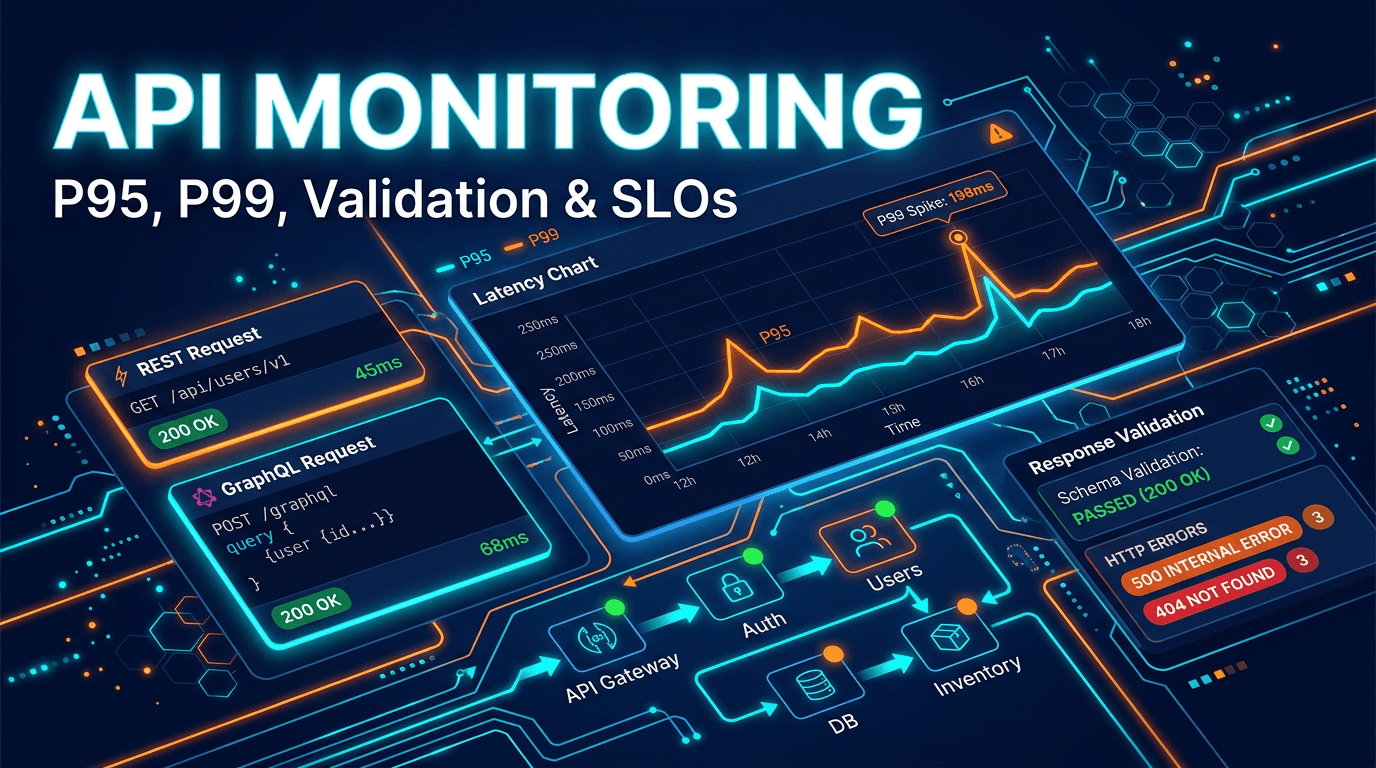
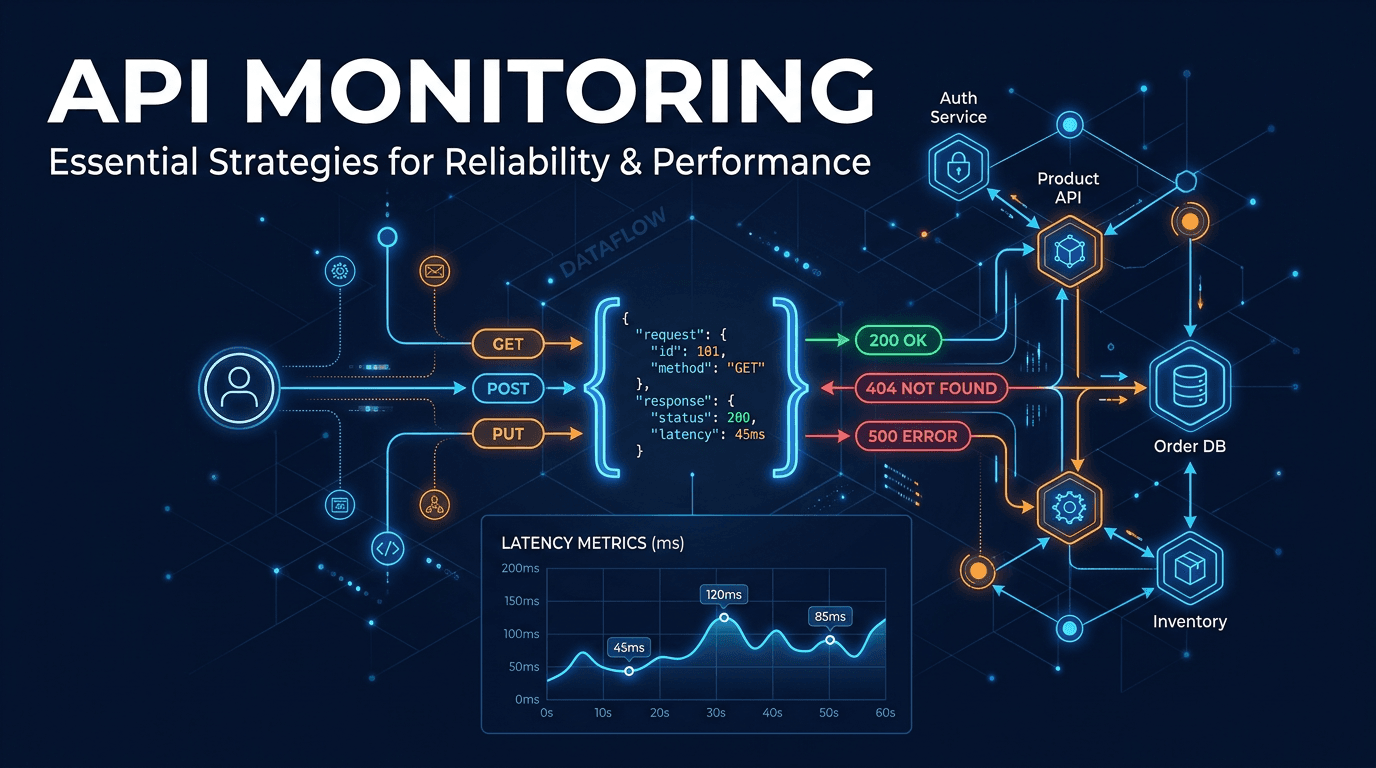
API Monitoring Best Practices for 2026: P95, P99, Synthetic Checks, and Response Validation
A practical 2026 guide to API monitoring best practices, including REST and GraphQL checks, P95 and P99 latency, synthetic workflows, schema validation, SLOs, and alert design.
API SLO Monitoring Guide for 2026: How to Use Error Budgets, P95, and P99 to Improve Reliability
A practical API SLO monitoring guide for 2026 covering service level objectives, error budgets, P95 and P99 latency, alerting, and how to align API monitoring with real user impact.
Cookieless Website Analytics Guide for 2026: How to Measure Traffic Without Consent Banner Friction
Learn how cookieless website analytics works in 2026, why privacy-first measurement is growing, and how to track traffic, engagement, and SEO performance without heavy consent-banner friction.
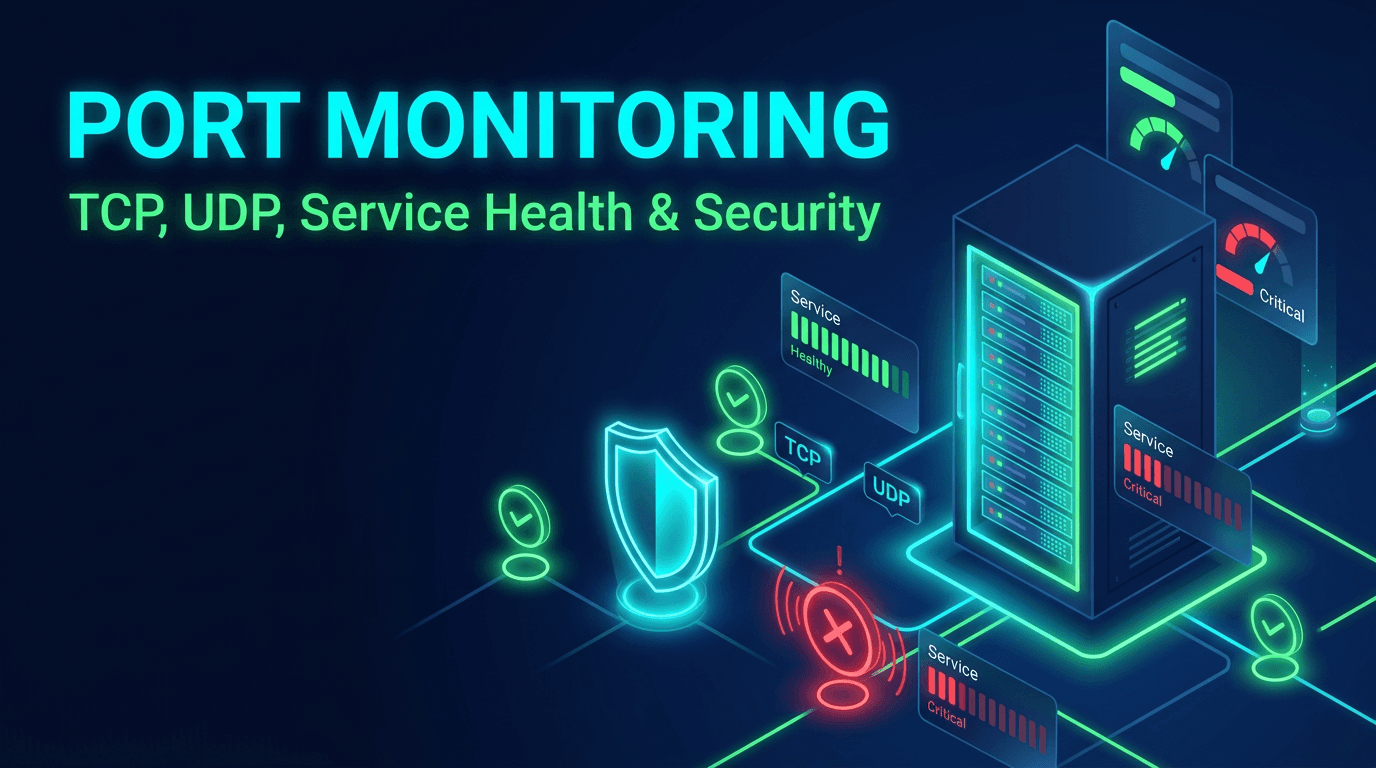
A practical checklist for monitoring critical open ports in 2026, covering reachability, unexpected exposure, TCP and UDP health, security baselines, and service ownership.
DNS Monitoring for SEO and Security in 2026: How to Protect Rankings, Email, and Domain Trust
Learn how DNS monitoring protects SEO, email deliverability, and security in 2026 with practical guidance on record changes, nameserver alerts, DNS drift, and domain trust.
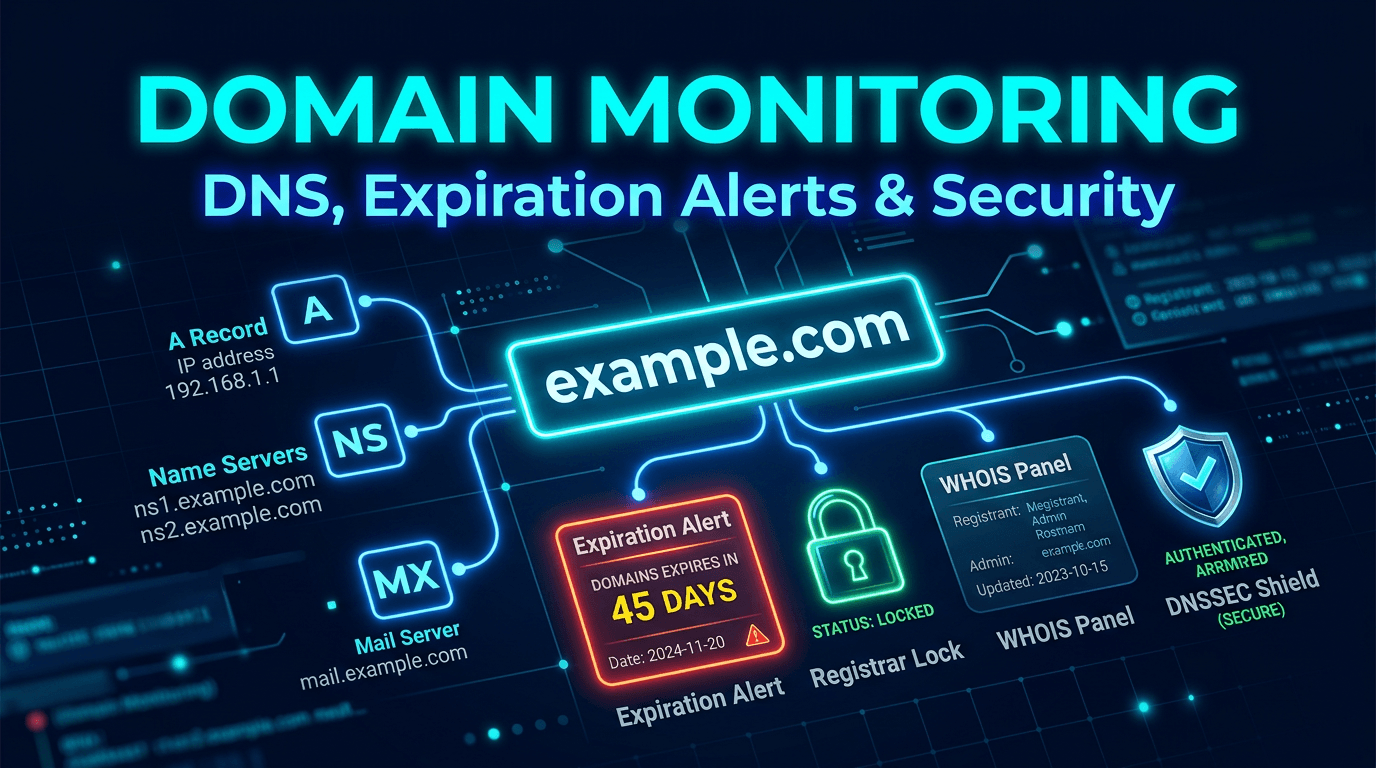
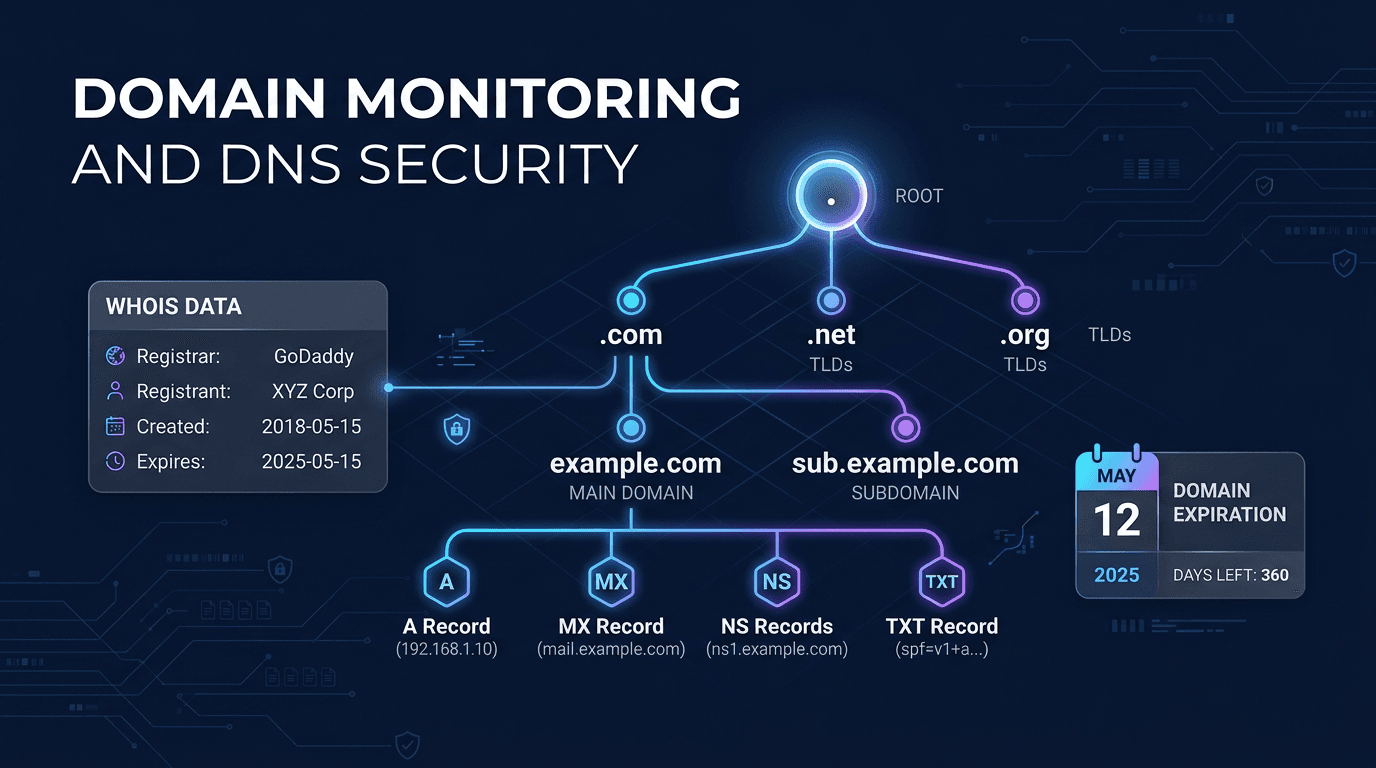
Domain Monitoring Best Practices for 2026: DNS Changes, Expiration Alerts, and Hijack Prevention
A complete 2026 guide to domain monitoring best practices, covering DNS change detection, registrar security, expiration alerts, DNSSEC, email records, and SEO protection.
How AI Reduces Alert Fatigue in 2026: Smarter Correlation, Better Prioritization, Faster Response
Learn how AI reduces alert fatigue in 2026 by correlating incidents, prioritizing high-signal events, suppressing noise, and improving monitoring workflows for operations teams.
AI-Powered Monitoring Reports: Anomaly Detection and Infrastructure Insights
How AI-powered monitoring reports work — automated anomaly detection, predictive analytics, root cause analysis, and intelligent performance optimization for infrastructure monitoring.
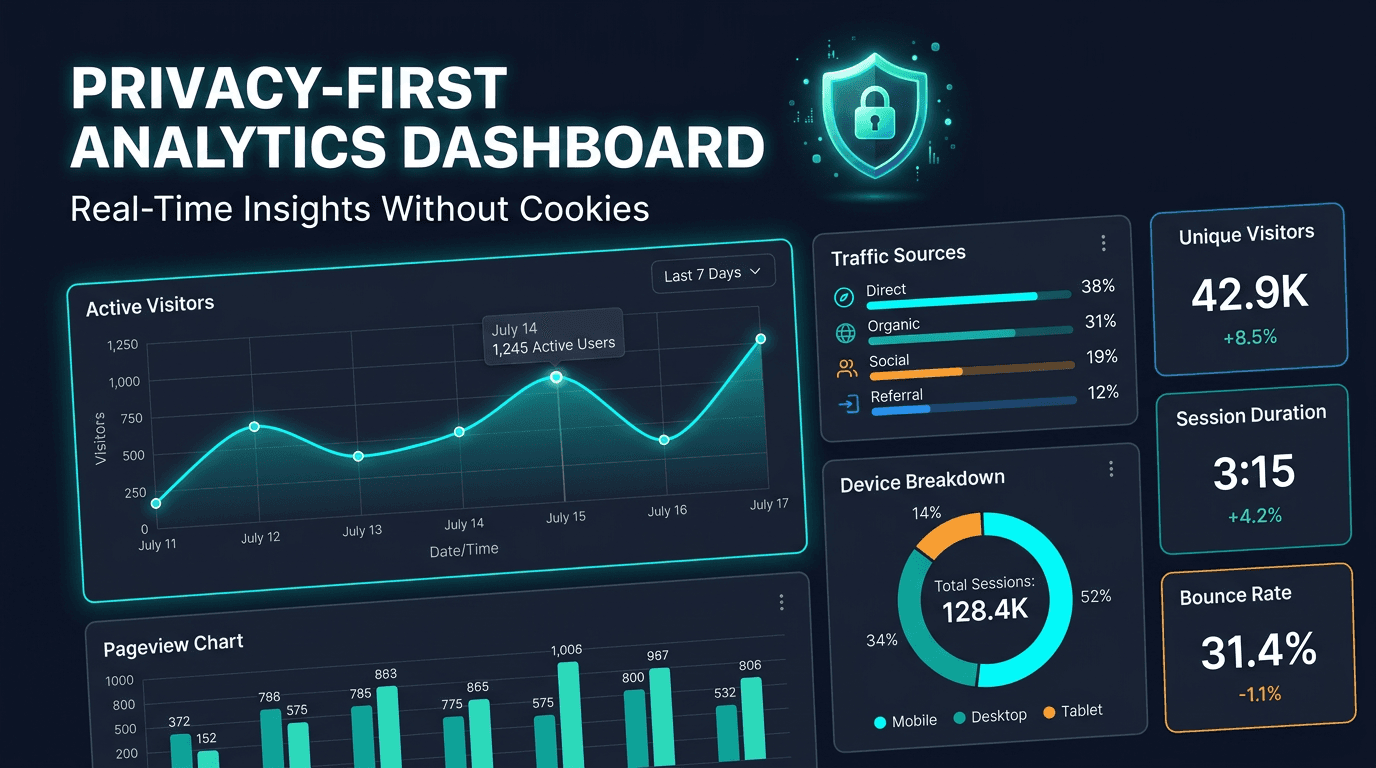
Privacy-First Analytics Dashboard: Real-Time Website Insights Without Cookies
Free privacy-first website analytics dashboard — real-time visitor tracking, traffic source analysis, page performance metrics, and device insights without cookies or consent banners.
API Monitoring Guide: Availability, Performance, and Response Validation
Complete API monitoring guide — monitor REST and GraphQL endpoints for availability, validate response schemas, track performance metrics, and detect errors before users are affected.
Domain Monitoring Guide: DNS Changes, Expiration Alerts, and Domain Security
Comprehensive domain monitoring guide covering DNS record tracking, WHOIS expiration alerts, nameserver change detection, DNSSEC validation, and domain hijack prevention.
Ping Monitoring Guide: Latency, Packet Loss, and Network Reachability
Learn how ping monitoring works — measure network latency, detect packet loss, track jitter, and monitor server reachability from multiple global locations with ICMP and TCP ping.
Port Monitoring Guide: TCP/UDP Service Availability Monitoring
Complete port monitoring guide — monitor TCP and UDP ports, detect service failures, validate database and application server availability, and improve infrastructure security.