This DevOps archive page is designed to do more than list articles. It gives readers a concentrated view of the newest and most relevant UpScanX blog content connected to devops, making it easier to move from broad interest to practical implementation. Instead of searching through the entire blog library, visitors can review the most recent posts grouped under the same topic and understand how the subject is evolving across monitoring, operations, performance, security, and real production use cases. On page 1, you are currently looking at up to 20 articles curated specifically for this topic area, which makes the page useful both for discovery and for deeper research.
DevOps matters because teams rarely solve it with a single tool or a single check. Real-world success usually depends on visibility, ownership, alert quality, historical analysis, and the ability to connect technical signals to user impact. That is why a tag archive like this has long-term value. It lets readers compare different article angles, see how a topic is explained through multiple operational lenses, and quickly identify which guides are most relevant to their current maturity level. Some readers arrive here looking for first-principles understanding, while others are already optimizing workflows, reducing alert fatigue, improving uptime, or protecting growth-critical pages. A well-structured tag page should support all of those goals.
The current archive also helps connect strategy with action. A single article might explain one concept clearly, but a collection of related content shows how that concept fits into a broader operating model. That is especially useful for monitoring and observability topics, where reliability depends on several overlapping layers. Teams often need to connect performance, SEO, alerting, service ownership, incident response, and infrastructure design to get meaningful results. When those ideas are spread across multiple well-targeted posts, a tag page becomes an editorial hub rather than a simple content index.
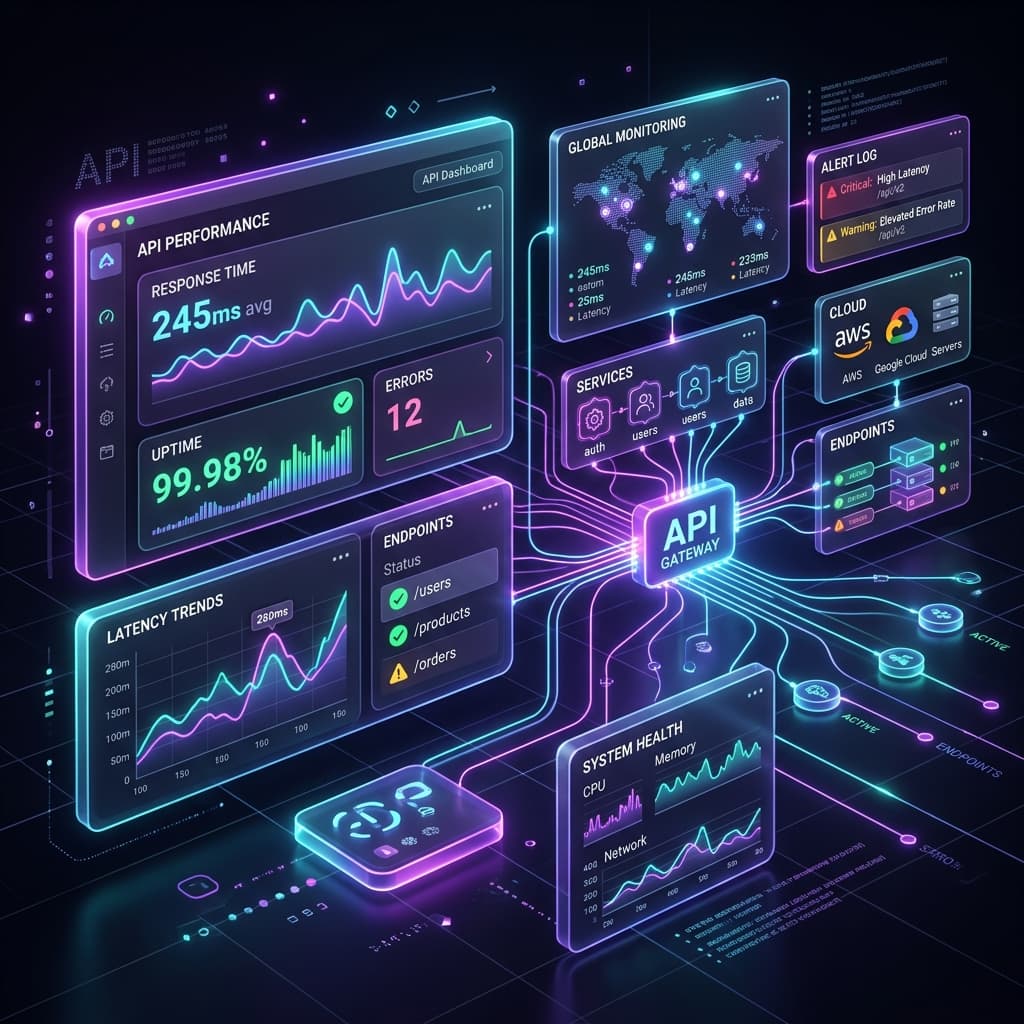
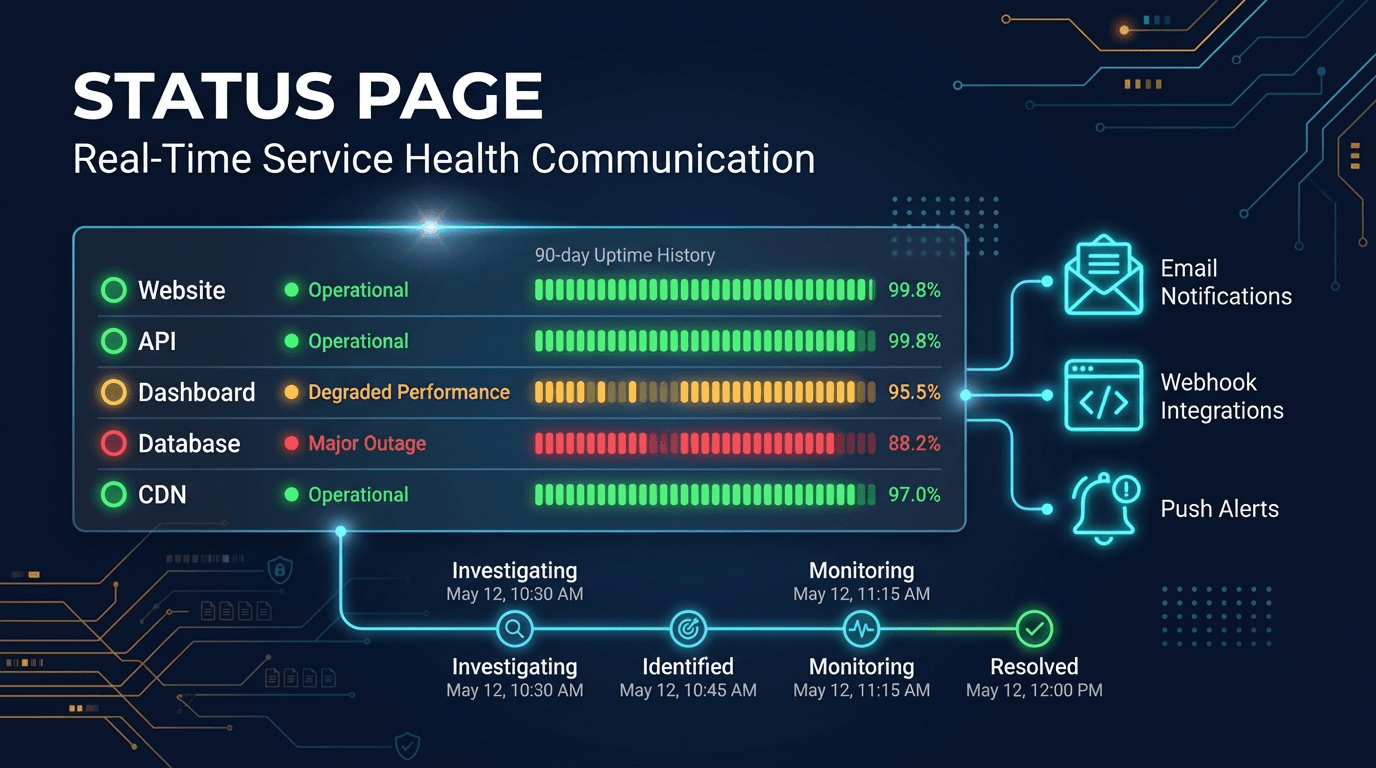
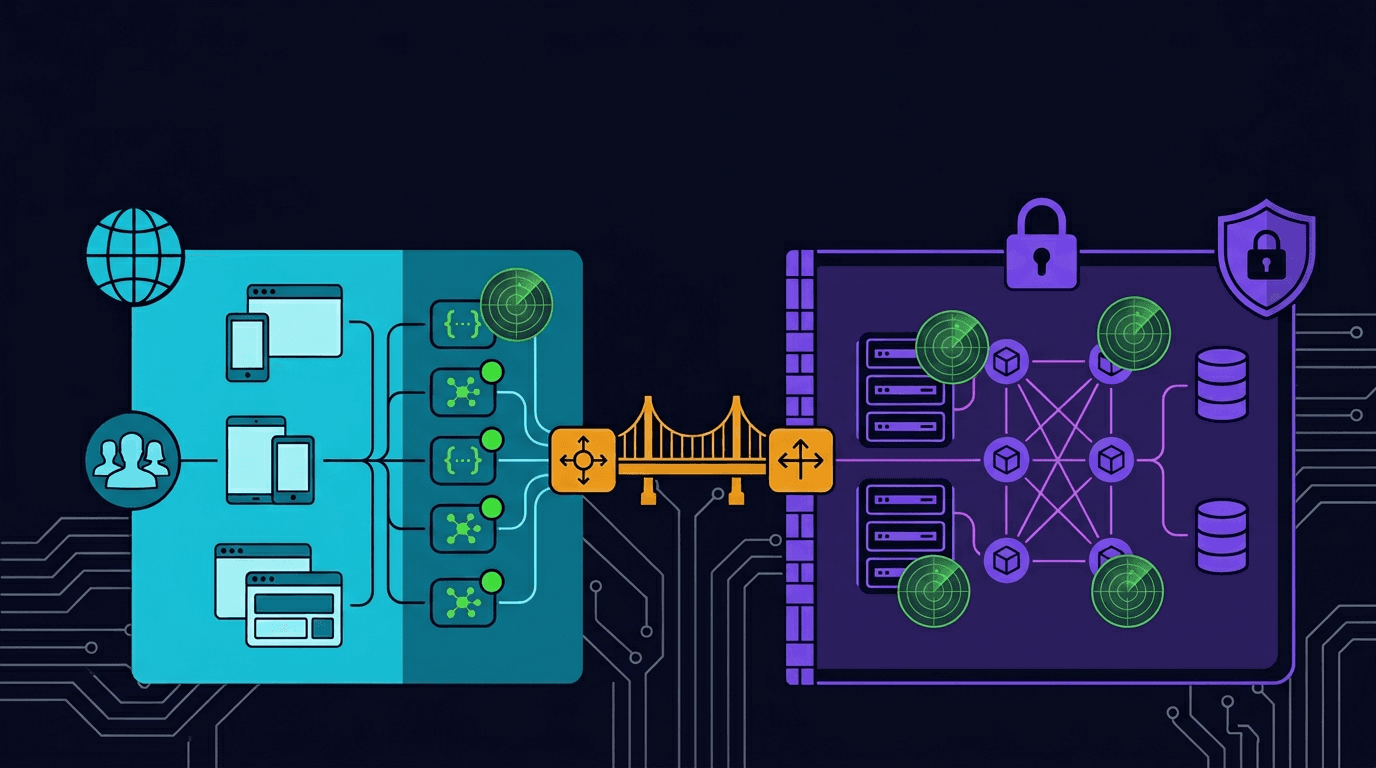
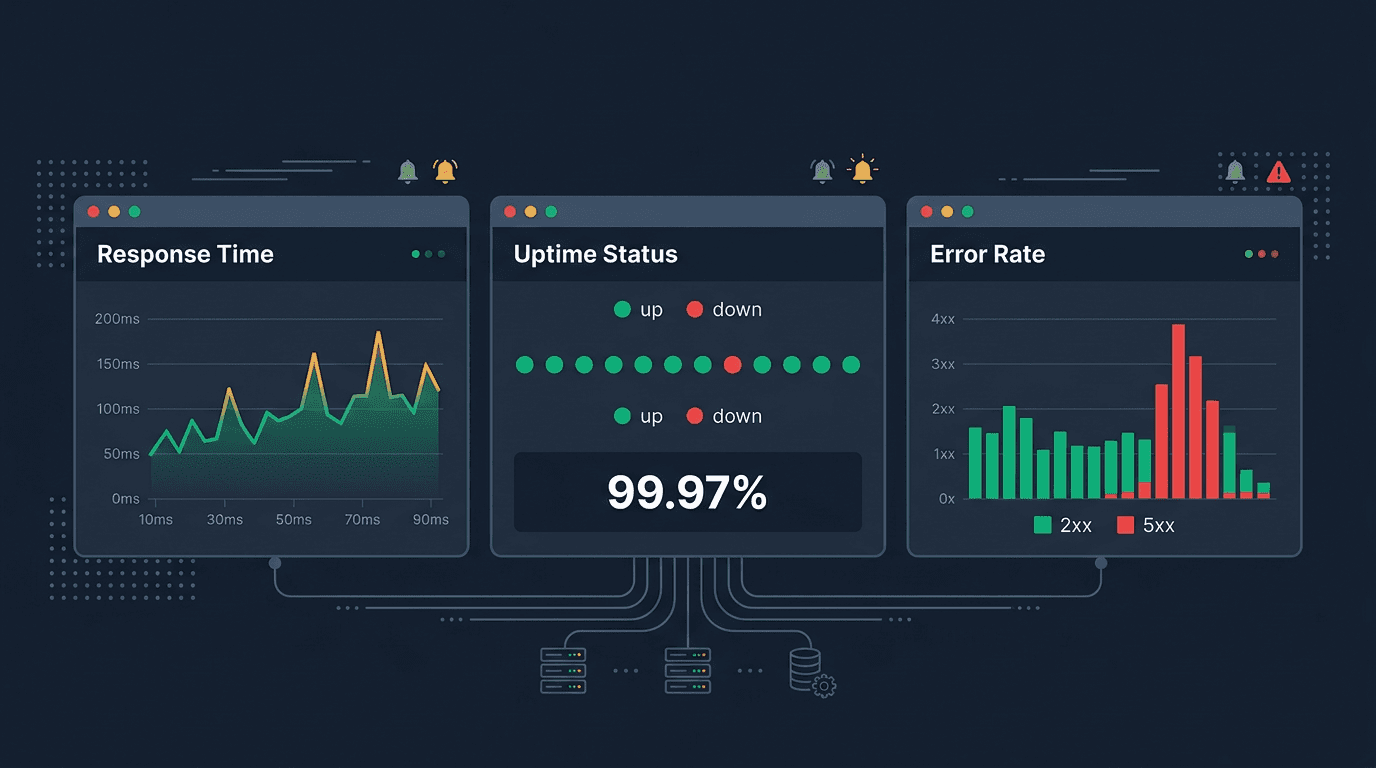
What Are the Best API Monitoring Tools for Startups and Enterprise Teams? focuses on discover the best api monitoring tools for startups and enterprise teams in 2026. compare datadog, checkly, moesif, better stack, and treblle to find the perfect observability fit for your stack.. Status Pages: Real-Time Service Health Communication for Your Users focuses on complete guide to public status pages — branded service health dashboards with real-time component status, automated incident updates, 90-day uptime history, and subscriber notifications.. How Can You Build an API Monitoring Strategy for Public and Private Endpoints? focuses on learn how to build an api monitoring strategy that covers both public and private endpoints, including authentication handling, access methods for internal apis, distinct slos, security considerations, and unified visibility.. How Do You Monitor API Response Time, Uptime, and Error Rates in Real Time? focuses on learn how to monitor api response time, uptime, and error rates in real time using synthetic checks, multi-region probes, percentile dashboards, error classification, alert thresholds, and incident response workflows..
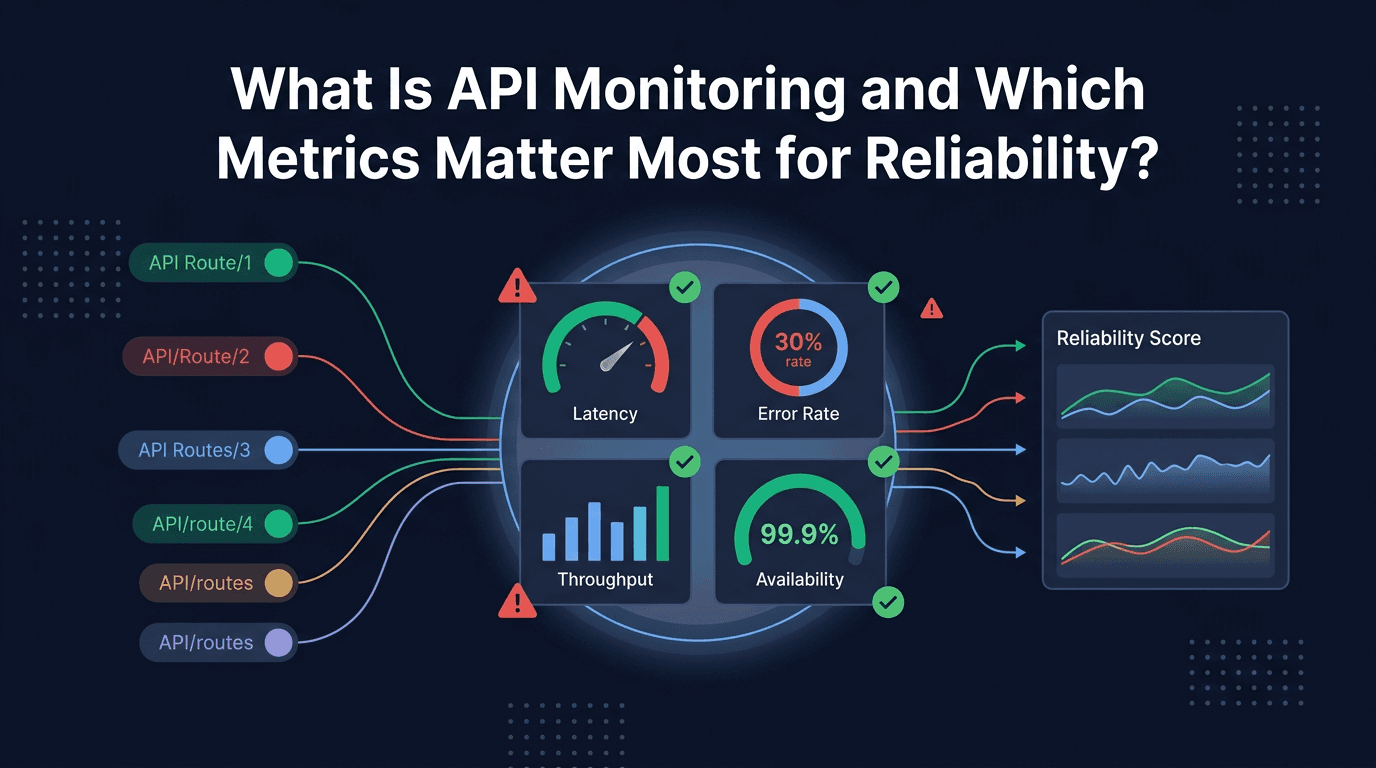
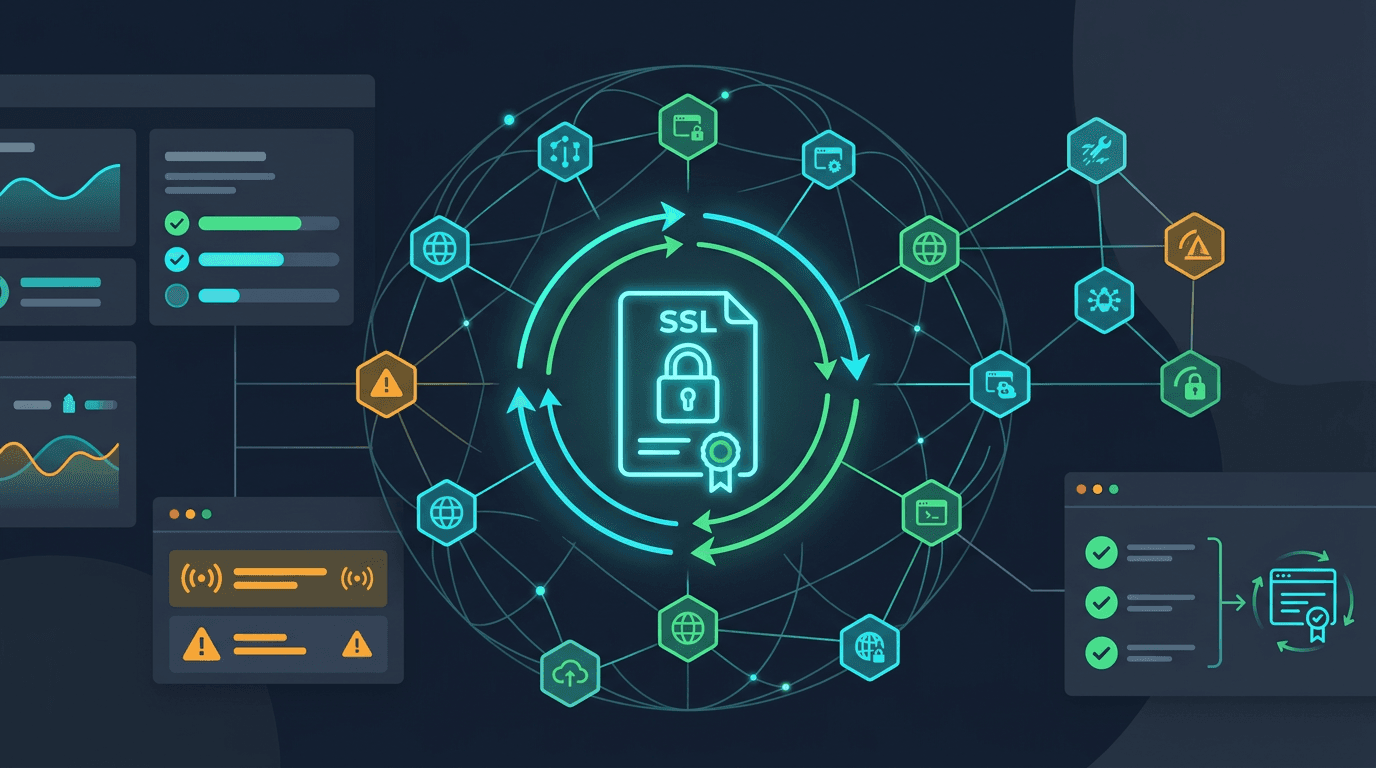
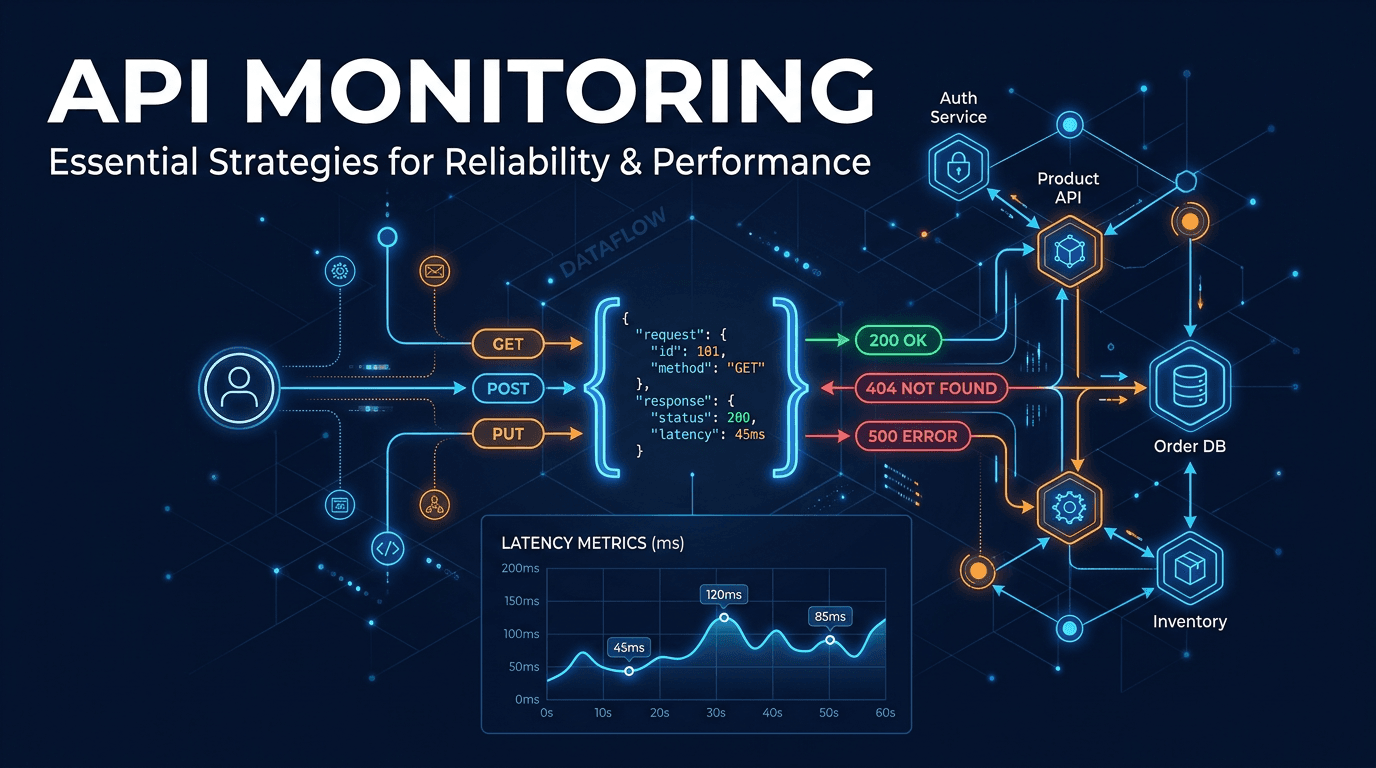
Which API Monitoring Alerts Reduce Incident Response Time the Most? focuses on learn which api monitoring alerts reduce incident response time the most, from multi-region availability failures and error rate spikes to latency percentile breaches, dependency alerts, and response validation failures.. What Is API Monitoring and Which Metrics Matter Most for Reliability? focuses on learn what api monitoring is and which metrics matter most for reliability, including availability, latency percentiles, error rates, time to first byte, throughput, timeout rates, and dependency health.. What Are the Best SSL Certificate Monitoring Tools for Growing SaaS Teams? focuses on compare the best ssl certificate monitoring tools for growing saas teams, from all-in-one monitoring platforms to pki-focused tools and kubernetes-native certificate observability.. How Can You Automate SSL Certificate Renewal Monitoring at Scale? focuses on learn how to automate ssl certificate renewal monitoring at scale across domains, apis, cdns, and multi-region infrastructure with inventory, alerting, deployment validation, and ownership workflows..
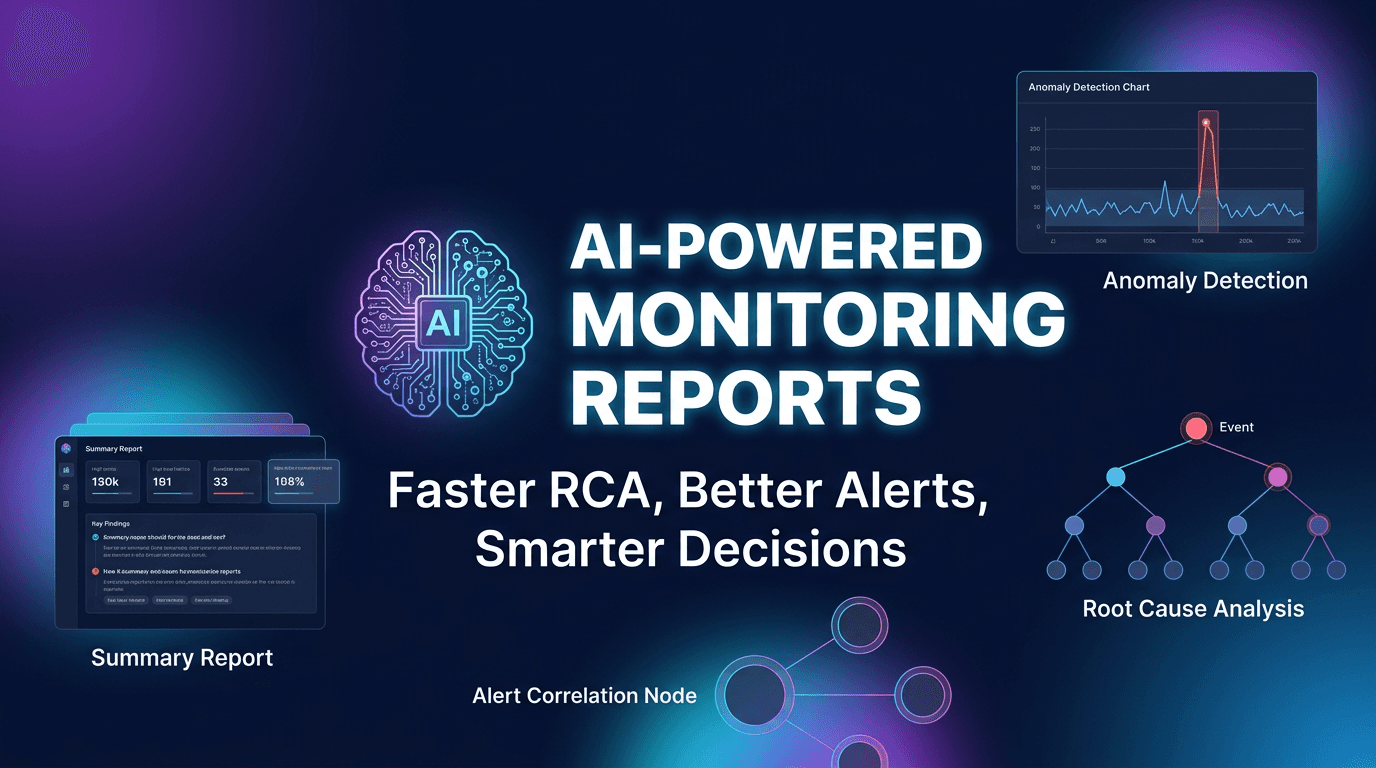
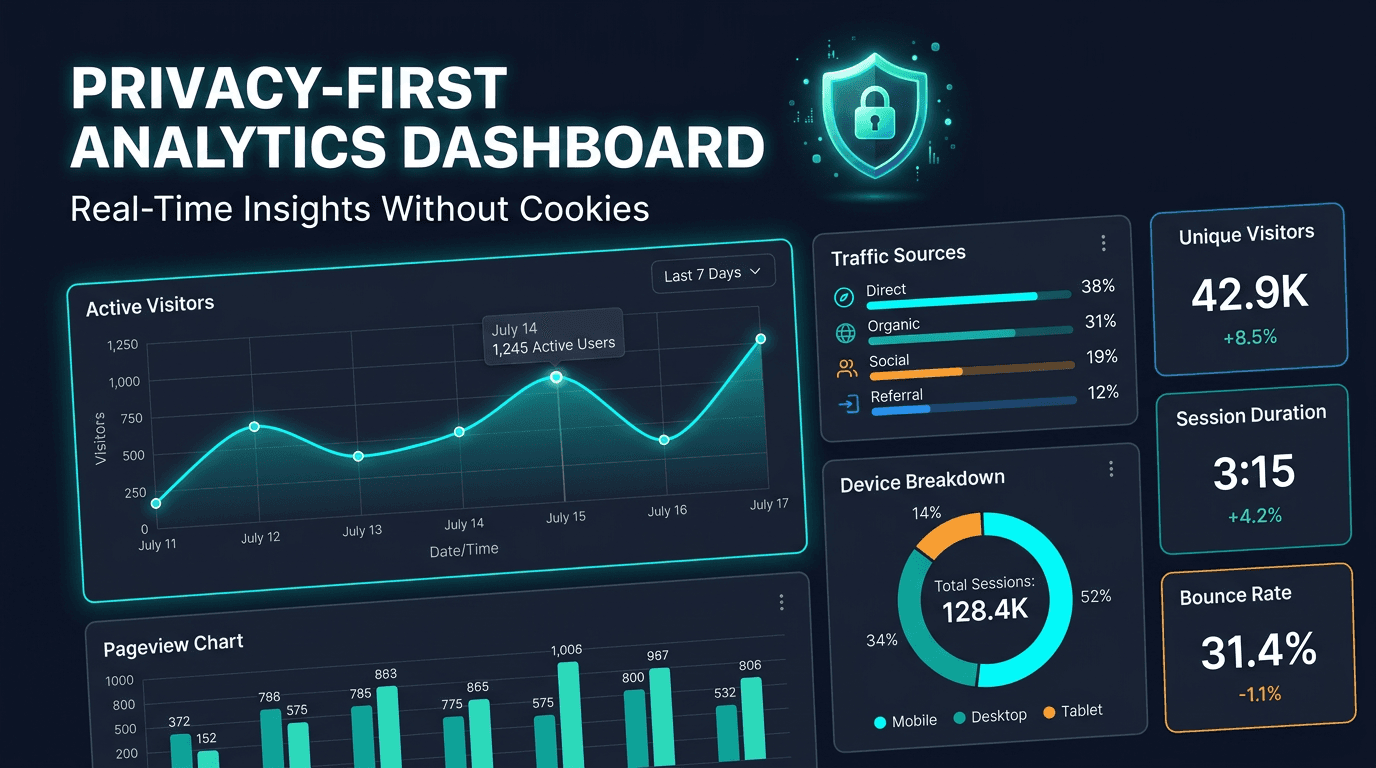
AI-Powered Monitoring Reports in 2026: Better Alerts, Faster RCA, and Smarter Decisions focuses on learn how ai-powered monitoring reports work in 2026, including anomaly detection, alert correlation, root cause analysis, predictive insights, and smarter operational reporting.. API Monitoring Best Practices for 2026: P95, P99, Synthetic Checks, and Response Validation focuses on a practical 2026 guide to api monitoring best practices, including rest and graphql checks, p95 and p99 latency, synthetic workflows, schema validation, slos, and alert design.. Cookieless Website Analytics Guide for 2026: How to Measure Traffic Without Consent Banner Friction focuses on learn how cookieless website analytics works in 2026, why privacy-first measurement is growing, and how to track traffic, engagement, and seo performance without heavy consent-banner friction.. How AI Reduces Alert Fatigue in 2026: Smarter Correlation, Better Prioritization, Faster Response focuses on learn how ai reduces alert fatigue in 2026 by correlating incidents, prioritizing high-signal events, suppressing noise, and improving monitoring workflows for operations teams..
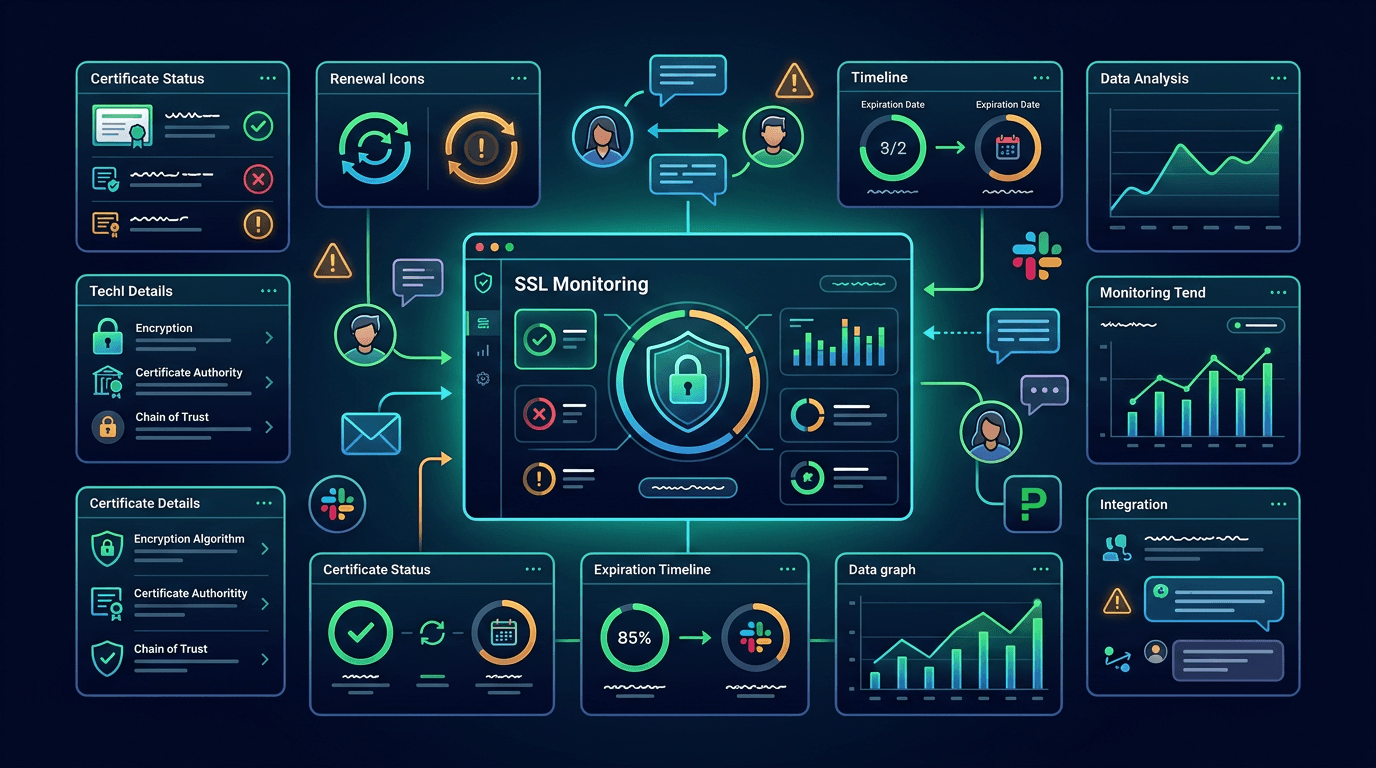
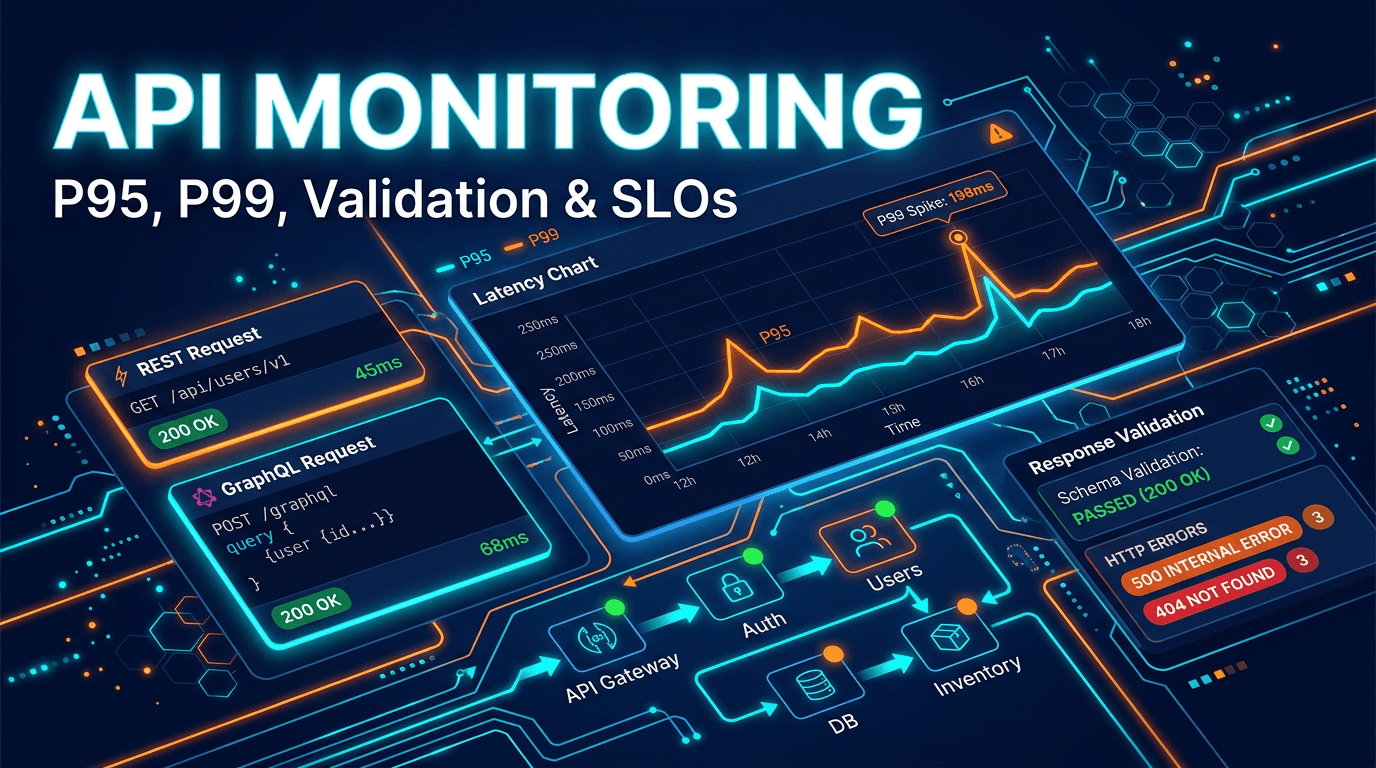
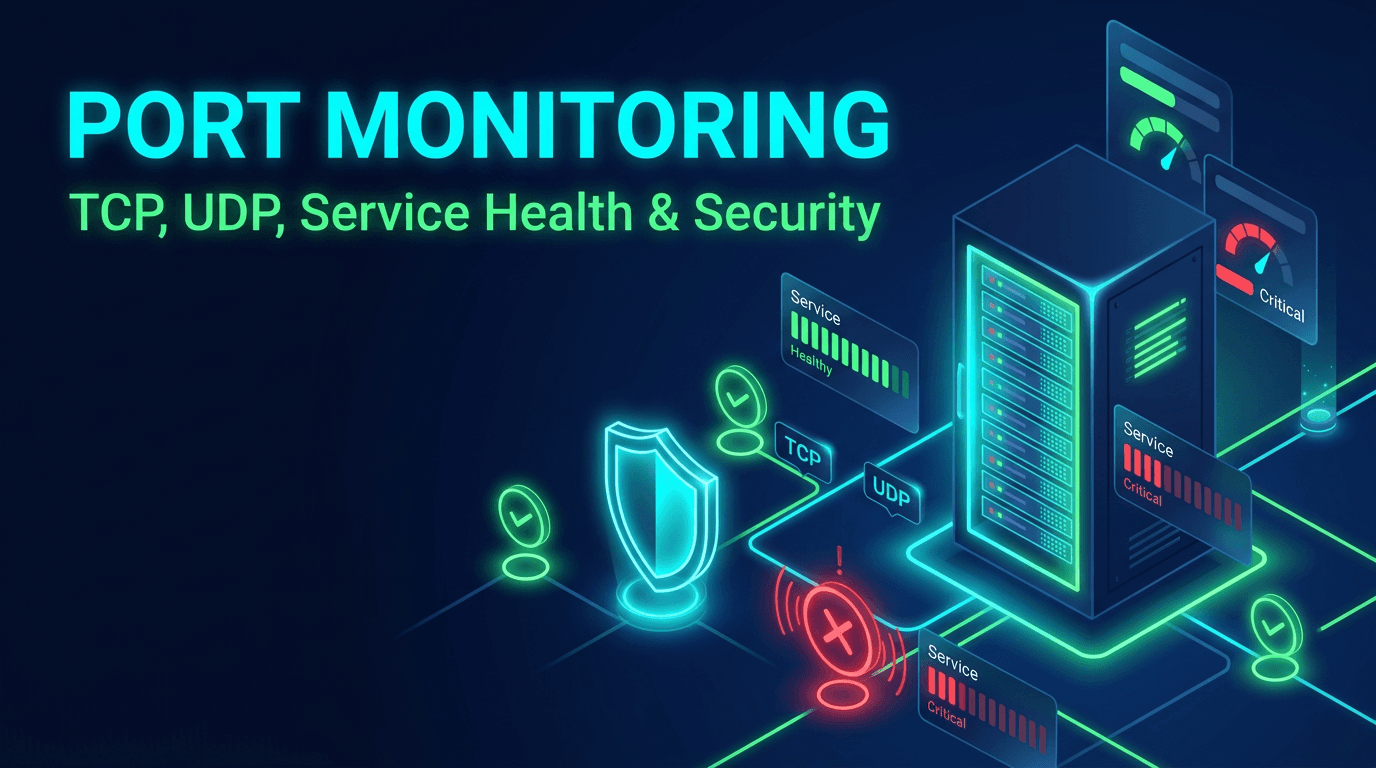
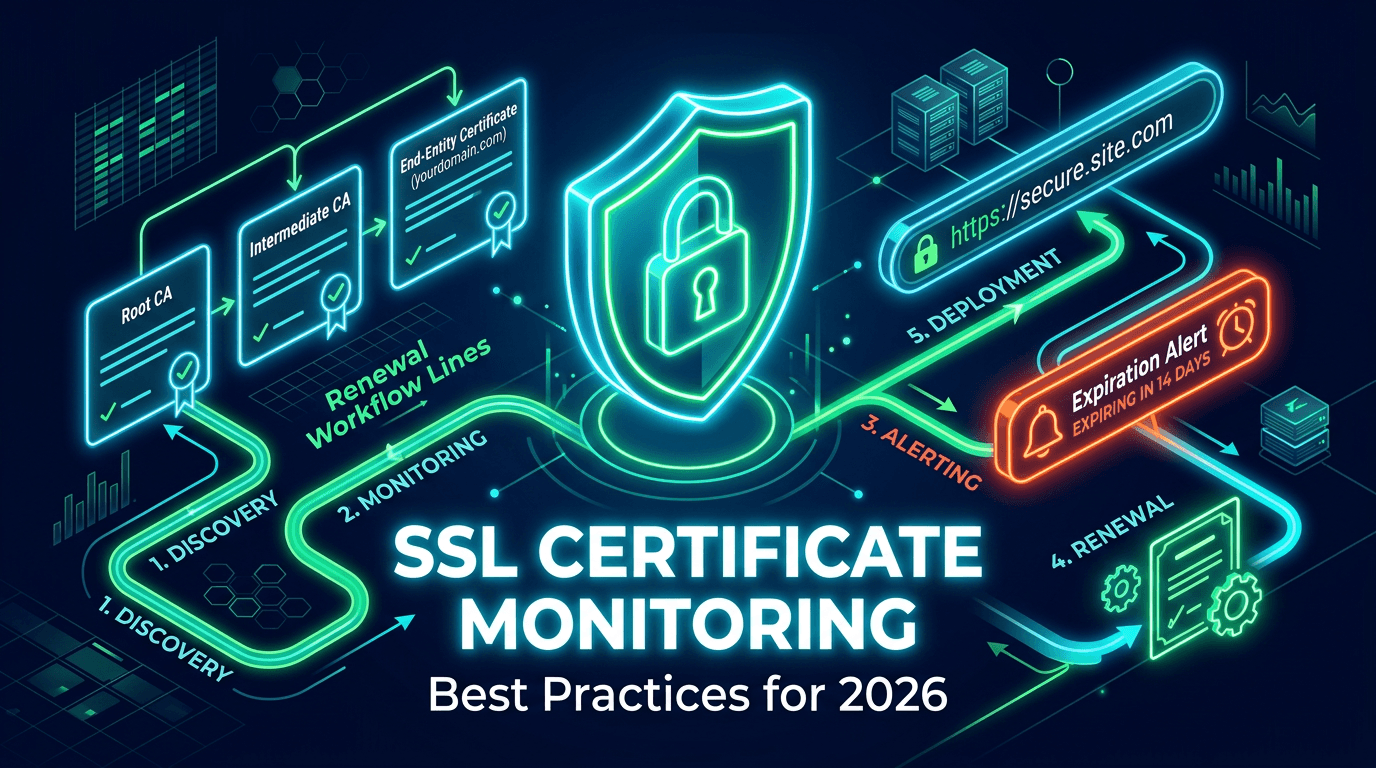
API Monitoring Guide: Availability, Performance, and Response Validation focuses on complete api monitoring guide — monitor rest and graphql endpoints for availability, validate response schemas, track performance metrics, and detect errors before users are affected.. How to Reduce Website Downtime in 2026: 12 Practical Strategies That Actually Work focuses on learn how to reduce website downtime in 2026 with practical strategies covering monitoring, failover, alerting, incident response, seo protection, and infrastructure resilience.. Port Monitoring Best Practices for 2026: TCP, UDP, Service Health, and Security Visibility focuses on learn the best port monitoring practices for 2026, including tcp and udp checks, service-tier alerting, latency tracking, exposure monitoring, and infrastructure security visibility.. SSL Certificate Monitoring Best Practices for 2026: Prevent Expiration, Downtime, and SEO Loss focuses on learn the best ssl certificate monitoring practices for 2026, including expiration alerts, chain validation, san coverage checks, renewal workflows, and seo risk prevention..
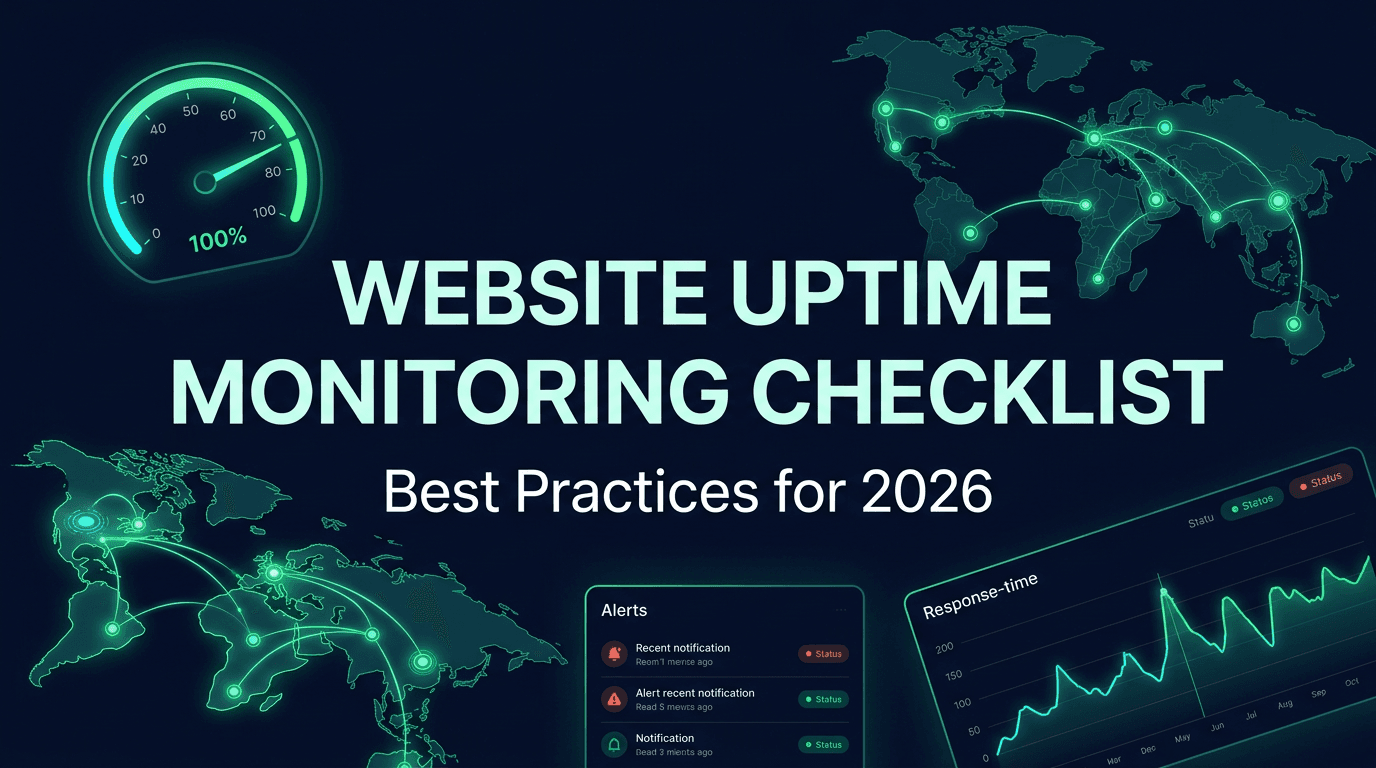
SSL Renewal Automation Guide for 2026: How to Prevent Certificate Expiration Before It Breaks Production focuses on a complete 2026 guide to ssl renewal automation covering certificate lifecycles, deployment verification, san coverage, alerting, and how to prevent production trust failures.. Website Uptime Monitoring Checklist for 2026: 15 Best Practices to Prevent Downtime focuses on a practical website uptime monitoring checklist for 2026 covering check intervals, global monitoring locations, content validation, alerting, sla reporting, and seo protection..
Looking across these recent devops posts, a consistent pattern emerges: the most useful guidance is rarely theoretical. The strongest articles usually focus on practical systems, measurable trade-offs, and repeatable operating habits. That includes how to choose what to monitor, how to design alerts that stay trustworthy, how to reduce preventable downtime, how to protect user trust, and how to connect engineering decisions with business outcomes. This is why curated topic pages continue to matter for both humans and search engines. They create semantic depth around one subject while also making the content easier to navigate.
For teams actively working on devops, this page can also be used as a lightweight learning path. A reader can start with the article that most closely matches an immediate problem, then expand outward into related guides for implementation depth. Someone dealing with monitoring noise may move into alert design and incident response. Someone investigating performance may move into uptime, infrastructure, or analytics topics. Someone concerned with visibility and reporting may naturally connect this topic to observability and cross-system analysis. In that sense, the tag archive is not only for browsing. It is also a structured way to build understanding over time.
There is also strong SEO value in building rich tag pages like this. Search engines reward pages that help users explore a topic meaningfully rather than simply repeating thin metadata. By combining a focused list of relevant posts with substantial explanatory copy, the page can better communicate topic relevance, support internal linking, and help visitors continue into deeper content. That improves both discoverability and usability. For UpScanX, it also strengthens the connection between editorial content and the operational problems customers are actually trying to solve.
At the moment, this tag contains 18 total blog posts, and this page surfaces the latest group in a format designed for fast scanning. As the archive grows beyond twenty results, pagination keeps the page usable while still preserving a clear thematic structure. That means readers can continue exploring older content without losing the context provided by the topic page itself. The combination of pagination, strong summaries, and evergreen explanatory copy helps this page remain useful even as more articles are added over time.
In short, this devops page should be understood as both an archive and a knowledge hub. It helps readers identify the latest relevant articles, compare perspectives across related posts, and move more quickly toward practical action. Whether the goal is better uptime, better security, stronger SEO, cleaner observability, or more confident incident response, these posts work best when viewed together rather than in isolation. That is exactly why this kind of expanded tag page adds value at the bottom of the archive instead of ending with the grid alone.